Craftsmanship Rooted In
Family & Faith
Our team is ready to serve you!
For over 30 years, American Home Improvement has helped West Texas homeowners upgrade their homes with quality products, skilled labor, and honest service. As a family-owned company, we take pride in building strong relationships, delivering dependable craftsmanship, and standing behind every project we complete.
-
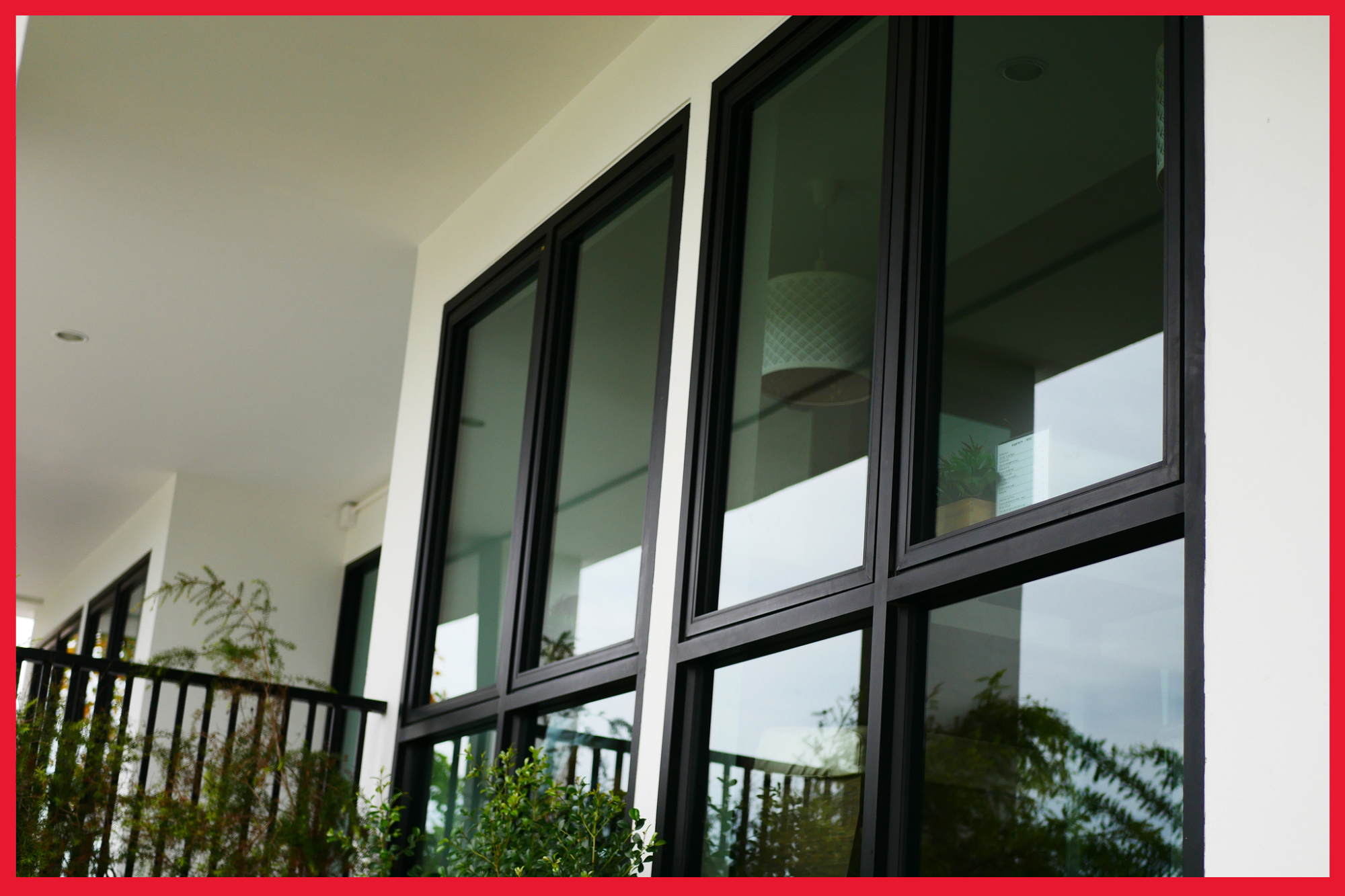
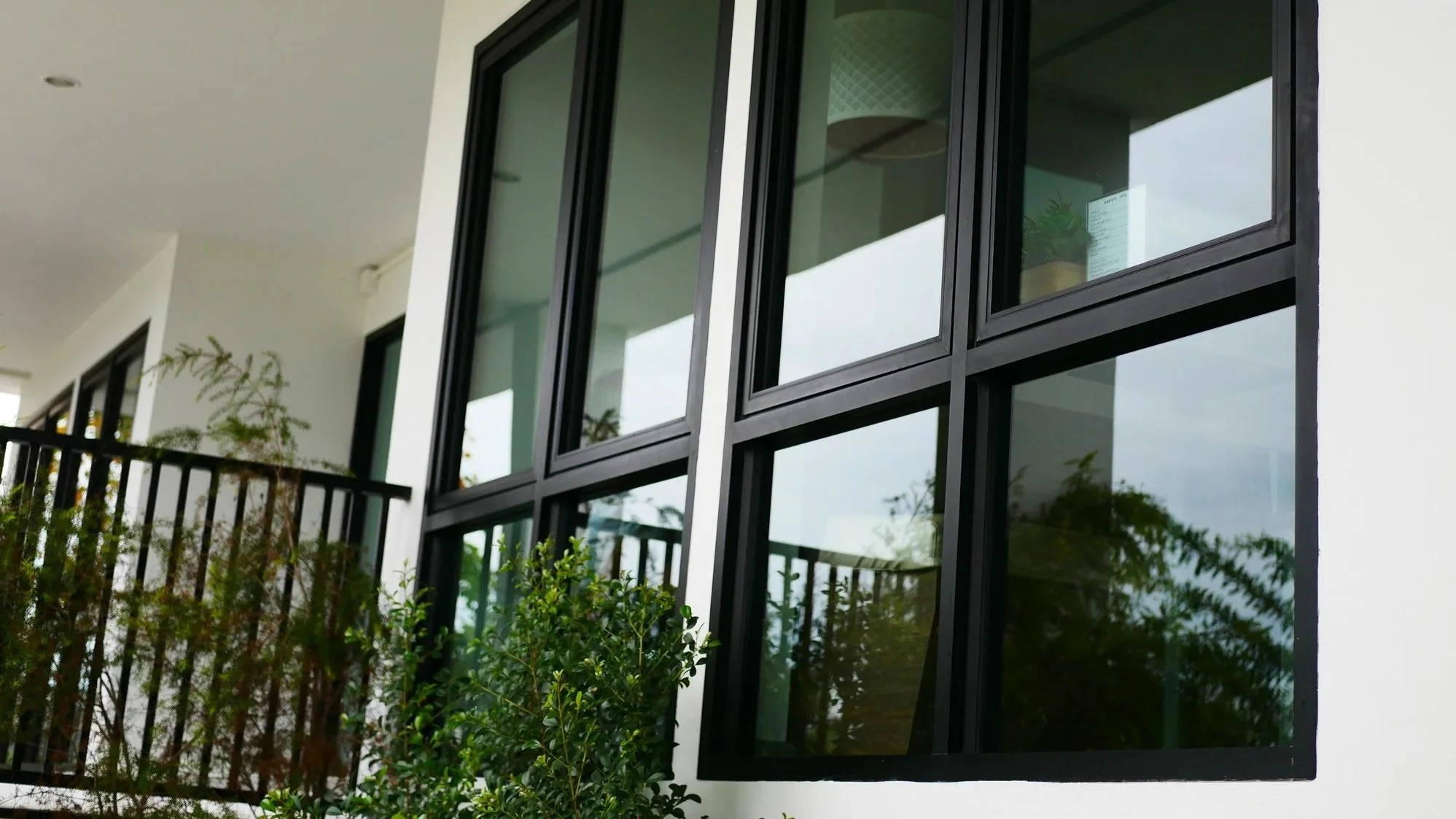
Windows
Energy-efficient and durable windows for long-term performance.
-
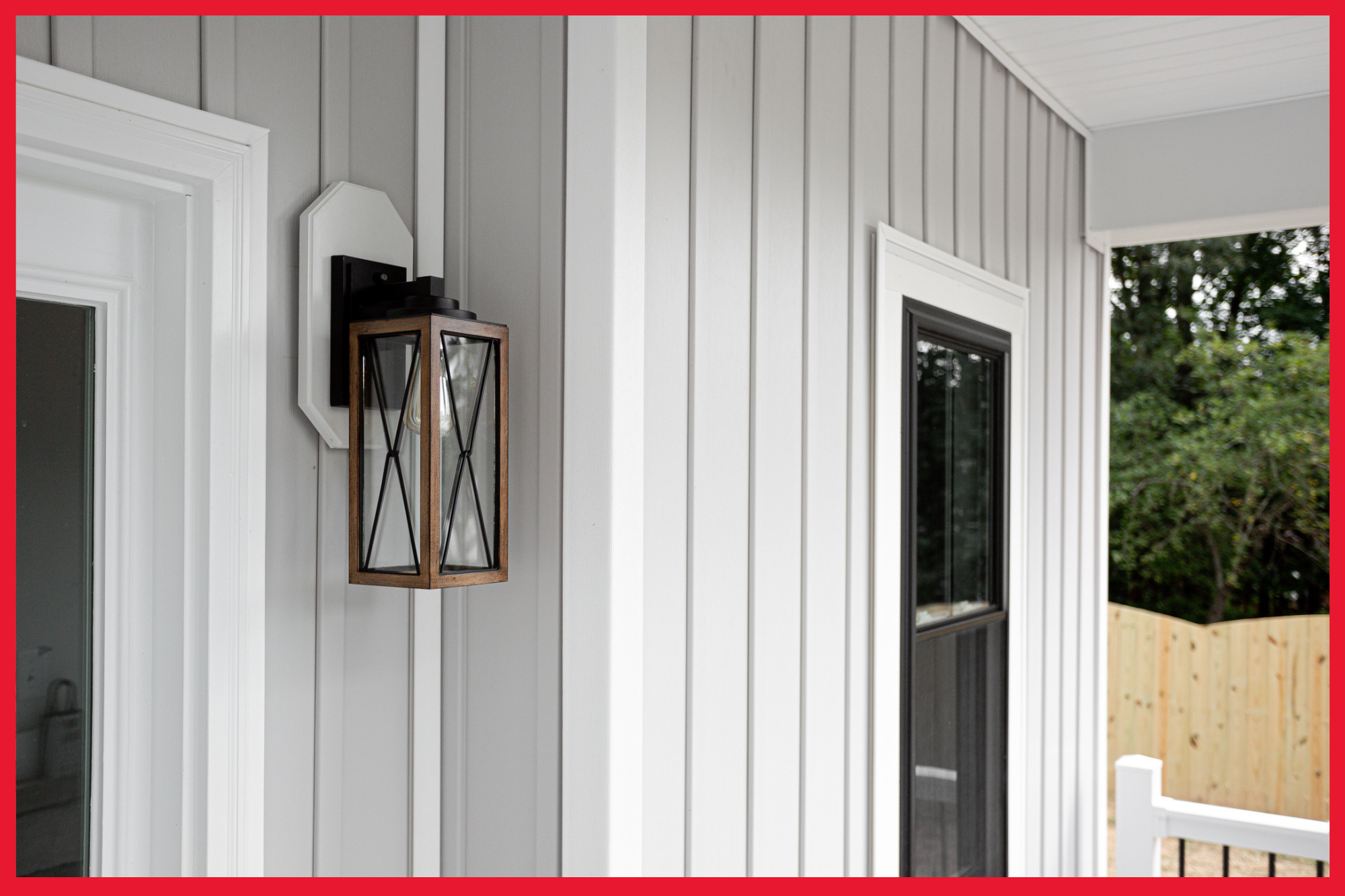
Siding
High-quality siding designed to protect, insulate, & elevate your home’s exterior.
-
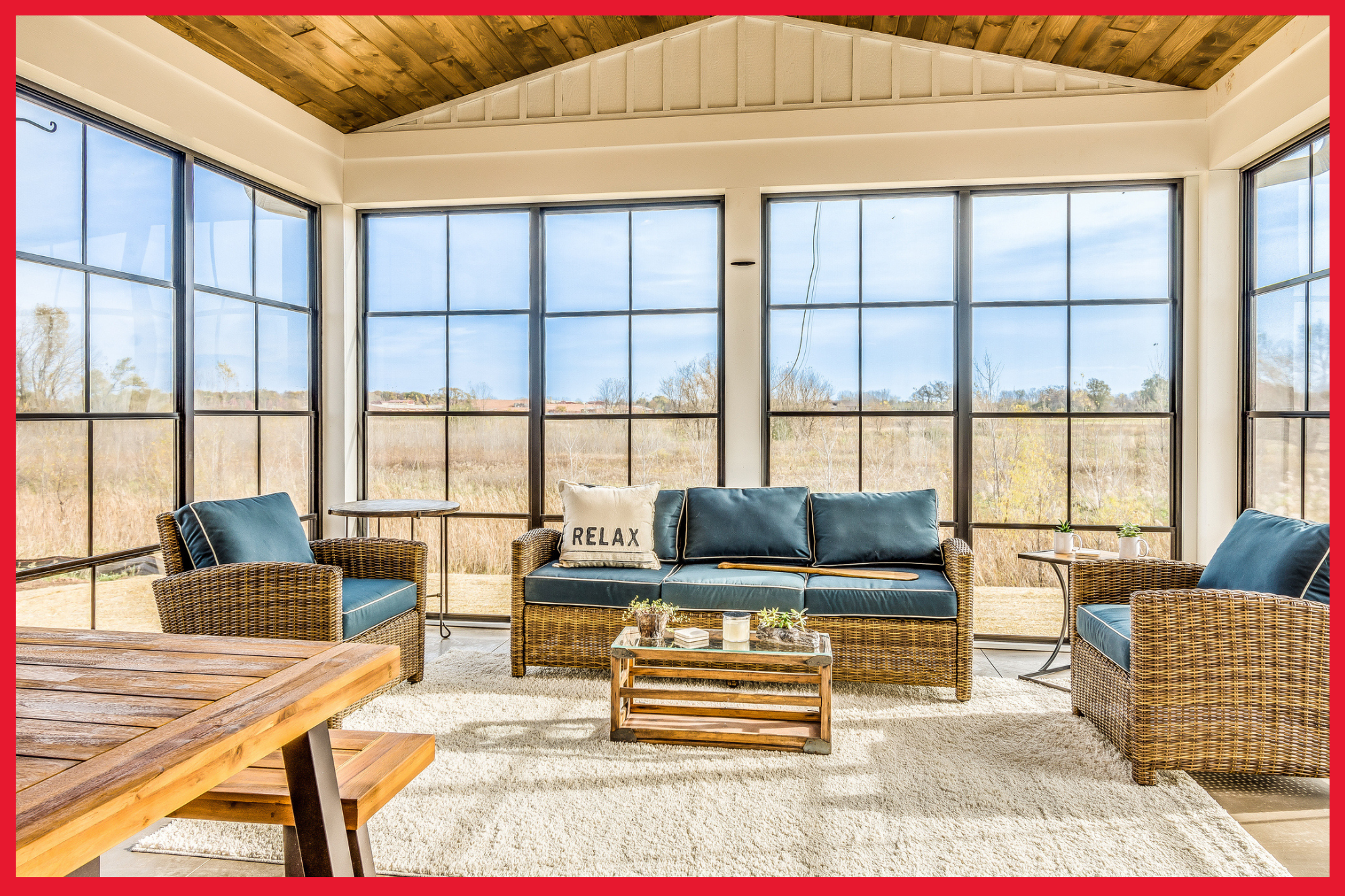
Sunrooms
Create a peaceful, climate-controlled space to enjoy the outdoors year-round.
-
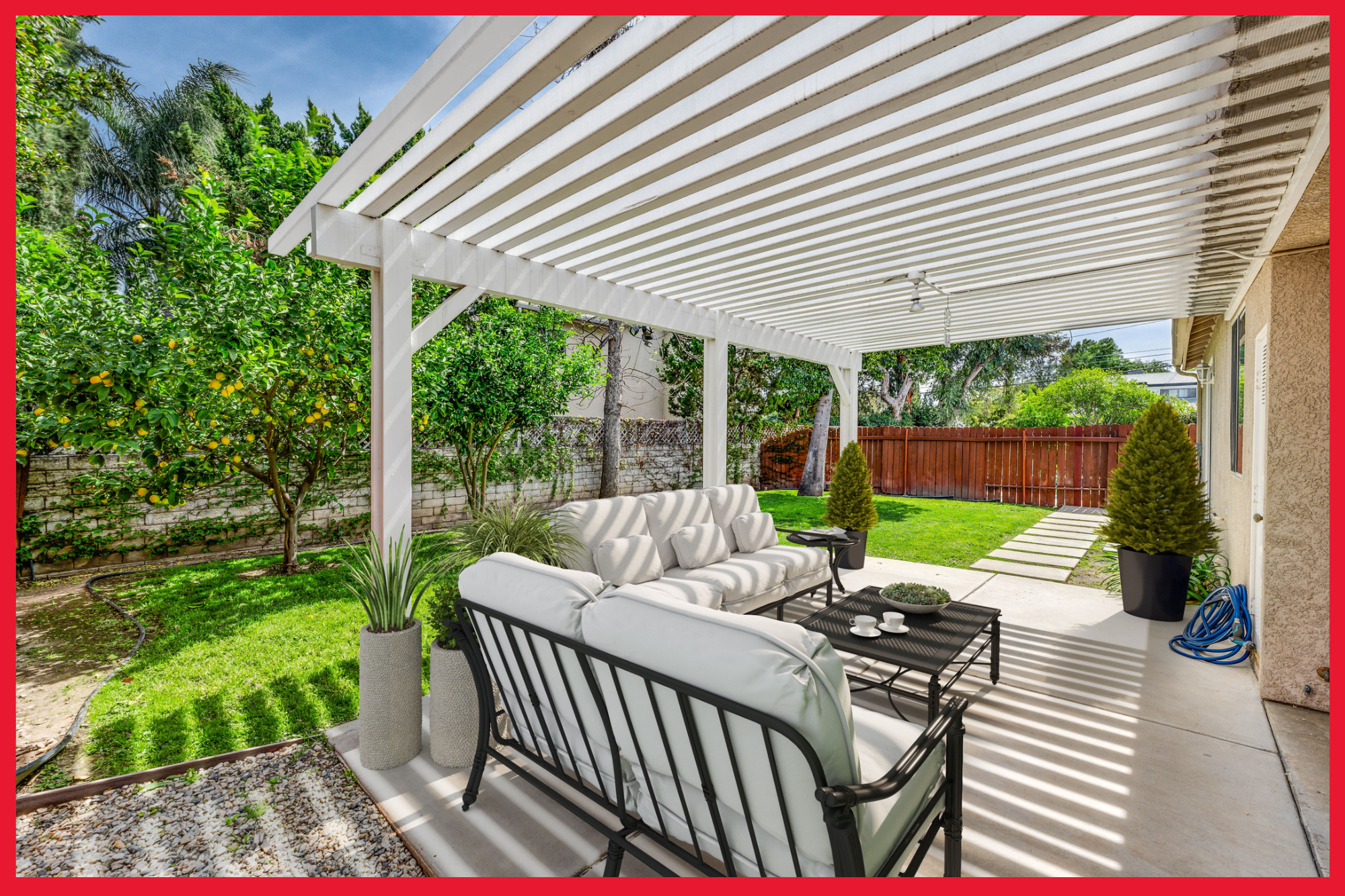
Pergolas
Custom structures that bring beauty, shade, and comfort to your backyard.
Our Mission
To provide West Texas homeowners with high-quality products, skilled installation, and exceptional service rooted in integrity, craftsmanship, and genuine care.
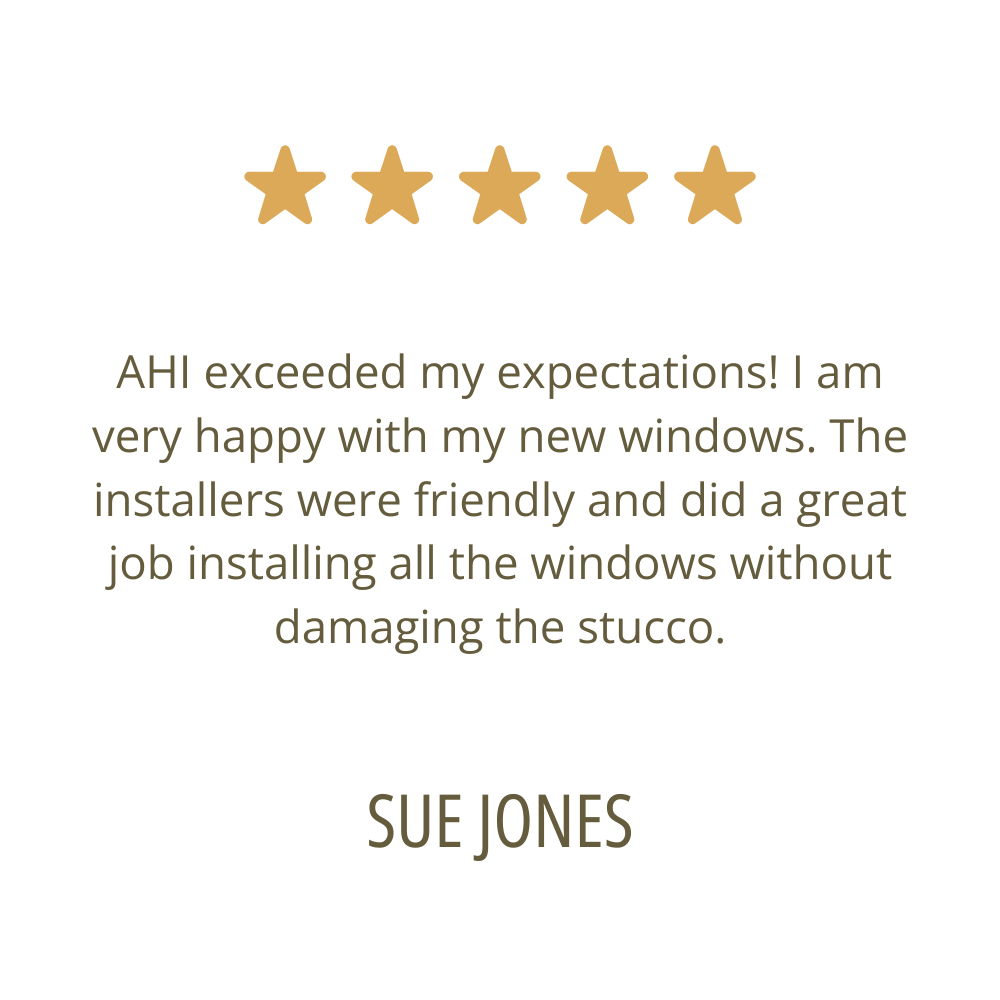
Our Customers Say it Best
We're Here for you Every Step of the way
You’re ready to improve your home. We’re here to guide the way with honest help, clear steps, and no pressure.

Step 1: Reach Out
Give us a call or fill out the form below. We’ll listen to what you’re hoping to improve and answer any questions.

Step 2: Free, No-Pressure Estimate
We’ll arrange a time that’s convenient for you and provide a free, no-pressure estimate for your project.

Step 3: Materials & Start Date
When you’re ready to move forward, we’ll order your materials and schedule a start date that works with your calendar.

Step 4: Clean, Professional Installation
Our friendly, efficient crew will install your project, haul away the debris, and leave you with a beautifully improved home exterior you can be proud of.
Everything starts with reaching out. We’re excited to work with you, and we’ll guide you through the rest.